BBC Studios Events Platform
My role: UX Manager and Creative Director
Context
When the pandemic hit, the BBC Distribution Sales and Marketing teams faced the sudden cancellation of key in-person events, including:
MIPCOM (Marché International des Programmes de Communication) in Cannes, an annual trade show for the television industry
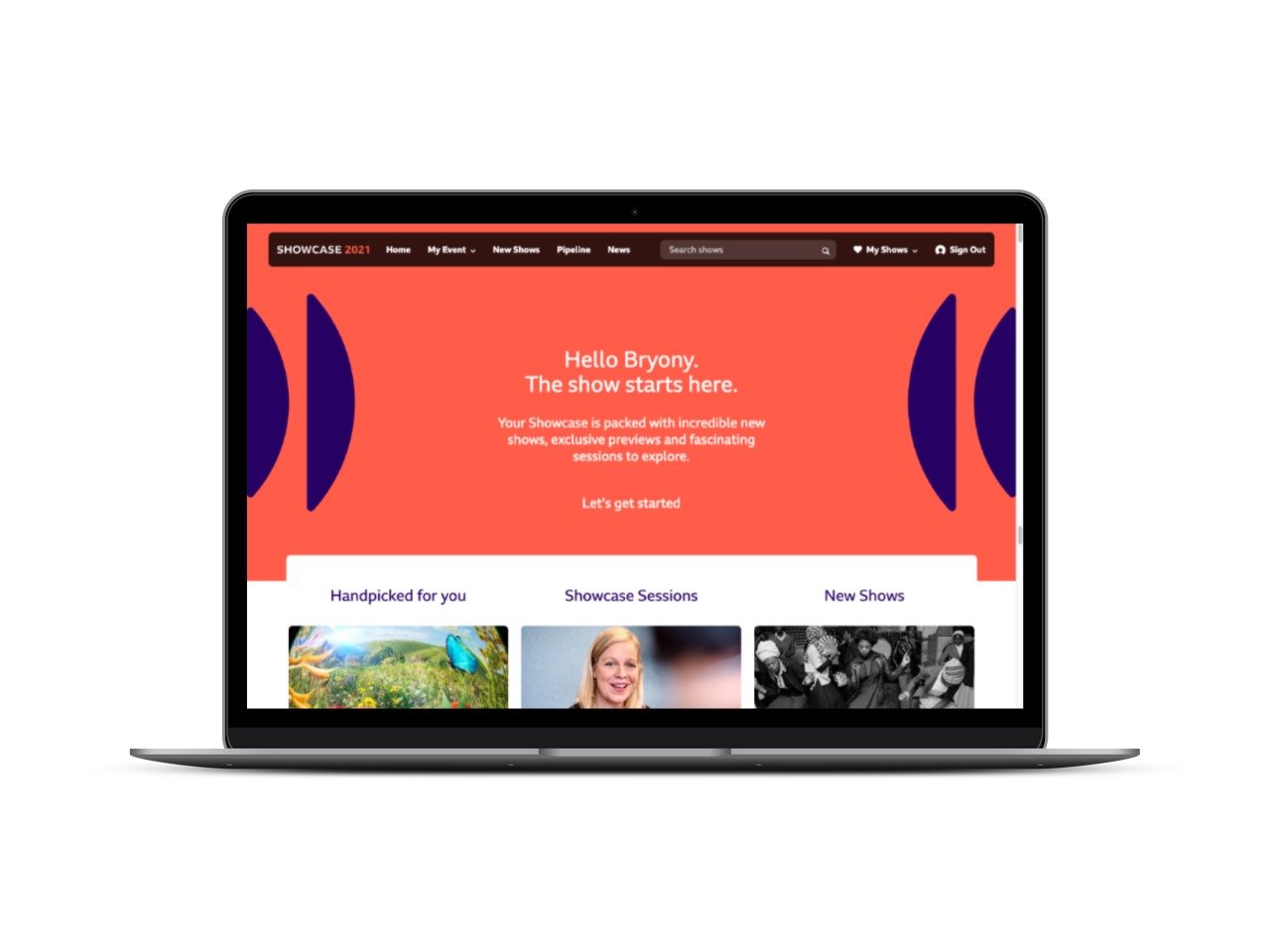
BBC Showcase in Liverpool, an annual BBC specific tradeshow
With just four months before MIPCOM, the marketing team had initially overlooked the Product and UX teams as an to build the BBC an online tradeshow experience to replace in person attendance. So, I was tasked by our Head of Product to craft a compelling pitch to win the work. With only one week to prepare, I successfully positioned our team as the preferred choice over external agencies.
The Challenge
Product & UX needed to be considered as a contender
The BBC Studios' Marketing team initially overlooked our Product and UX teams, assuming we were too technical (i.e. not focused on design) to deliver the desired experience. They engaged several agencies to find a digital partner for their upcoming online events. However, our Head of Product negotiated for UX to pitch alongside the agencies. The brief required a solution that was immersive, dynamic, and engaging.
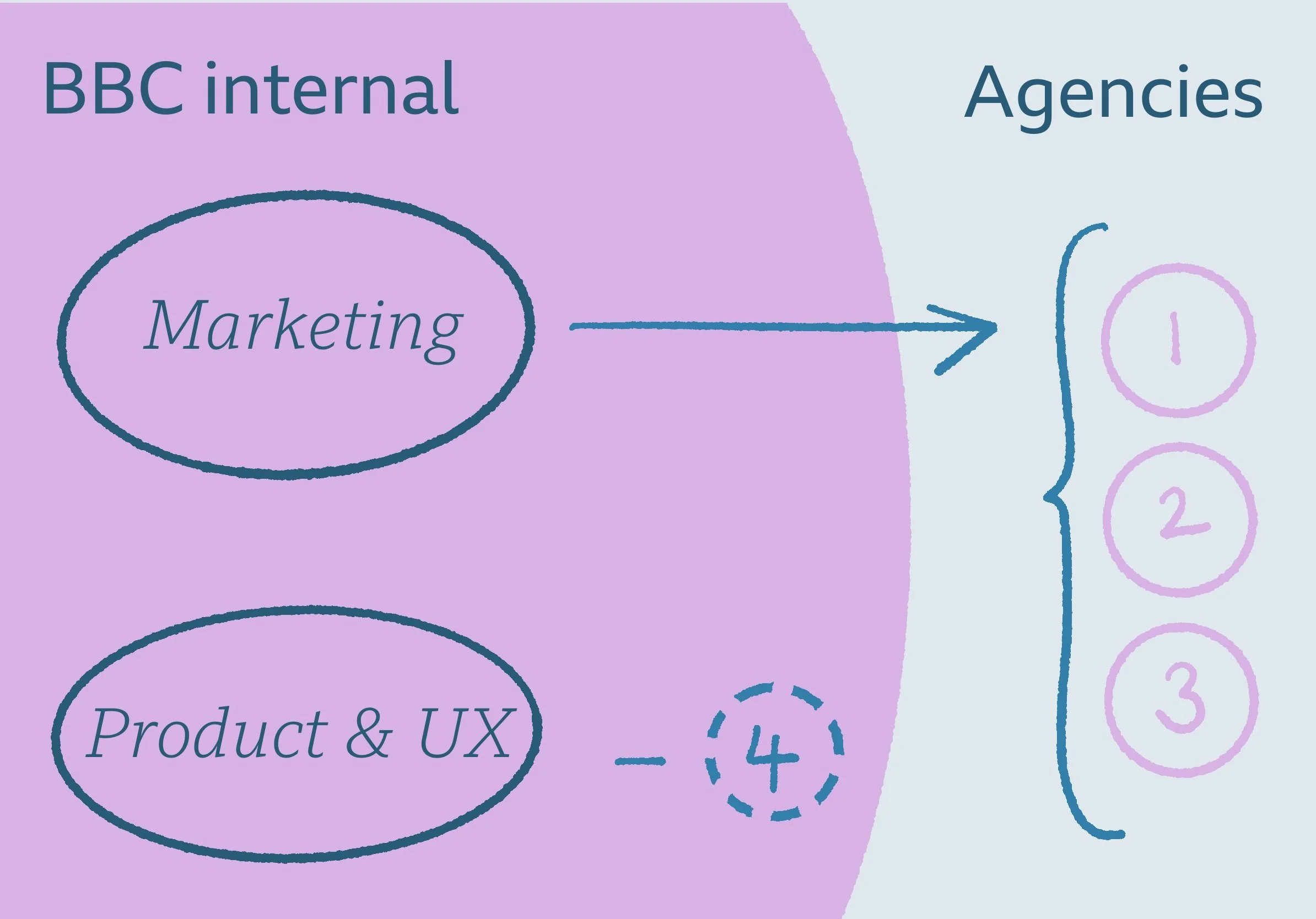
Selling our ability to deliver exciting work
Our major task was to sell our capabilities as a UX function. We needed to show that we were able to create delight, and as a technical group able to deliver it. In order to make the online event successful, I knew that we had to convince the Marketing team that making a website usable, didn’t mean that it had to be boring. I created a strategy of reframing the challenge to be dynamic, engaging, focused on letting our content shine and ‘getting out of our buyers way’ as they discover and experience the content.
Building the UX team & making a pitch
Our pitch approach
The Marketing team wanted to have an immersive experience and was looking at the augmented reality / virtual reality landscape with agencies. I suggested a mixed strategy of showing the design capabilities of the team, while also selling in the benefit of clearing a path for our buyers. The agencies had the advantage of weeks to prepare design approaches, while we needed to create a pitch to win us this work in one week. I suggested that we create a dynamic mood board to illustrate how we highlight our amazing content while discussing the benefits of helping the buyers do their jobs as part of the pitch. Presenting a highly curated immersive mood-board rather than a design also gave us more flexibility to choose the best solution to fit the timeframe.
Building the team
I created an on-the-fly team to tackle this work including:
the 2 existing designers from my team
a borrowed designer from the iPlayer team
and adding 2 freelancer designers.
I kicked off with a lean session to understand their hopes and fears for the upcoming work. This allowed me to put measures in-place to safeguard the team and support them though the intense weeks to come. It also had a benefit of kicking of trust building within the group, so they could be highly productive at speed.
Creating the moodboard
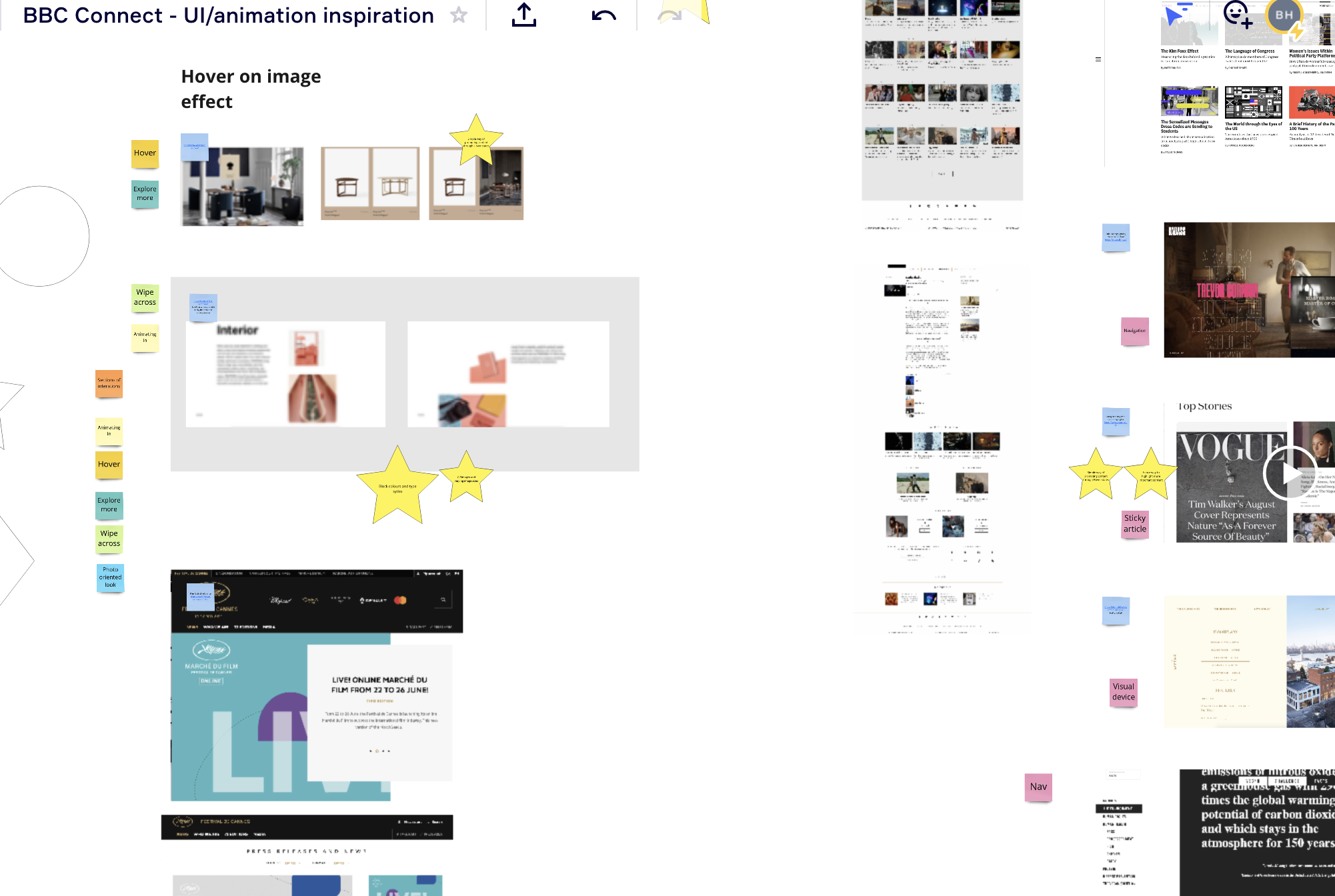
I asked the team to seek out examples in the wider digital design landscape that fit the key beats of the brief but also let the content shine and got out of the buyers way. Then encouraged them to codify these and refine the selection as a group. At the time there was no software available at the BBC for collaborative white-boarding so I negotiated an off policy software arrangement (to use Miro) with our Head of Product to give the team their best chance.
As UX Creative Director I gave nudges where necessary but encouraged the team to find their own way in order to enable them to confidently progress through the work..
The pitch
Creating the final moodboard
The stakeholder group had very high expectations and there was a lot riding on this project for the Product Group as a whole. So I asked the design team to find a way to present the mood board work so that the examples would animate as we made our way through the board, hitting all of their brief requirements as we went. They selected a tool for the job and we collaborated to write the main speaking points which I then took forward in to the session and presenting to our senior stakeholders.
The win
We were awarded the work which was a testament to the strategy of ‘letting the content shine’ that I had championed.
A scroll-through of the dynamic moodboard
Collaborating with our developers
Collaboration plan
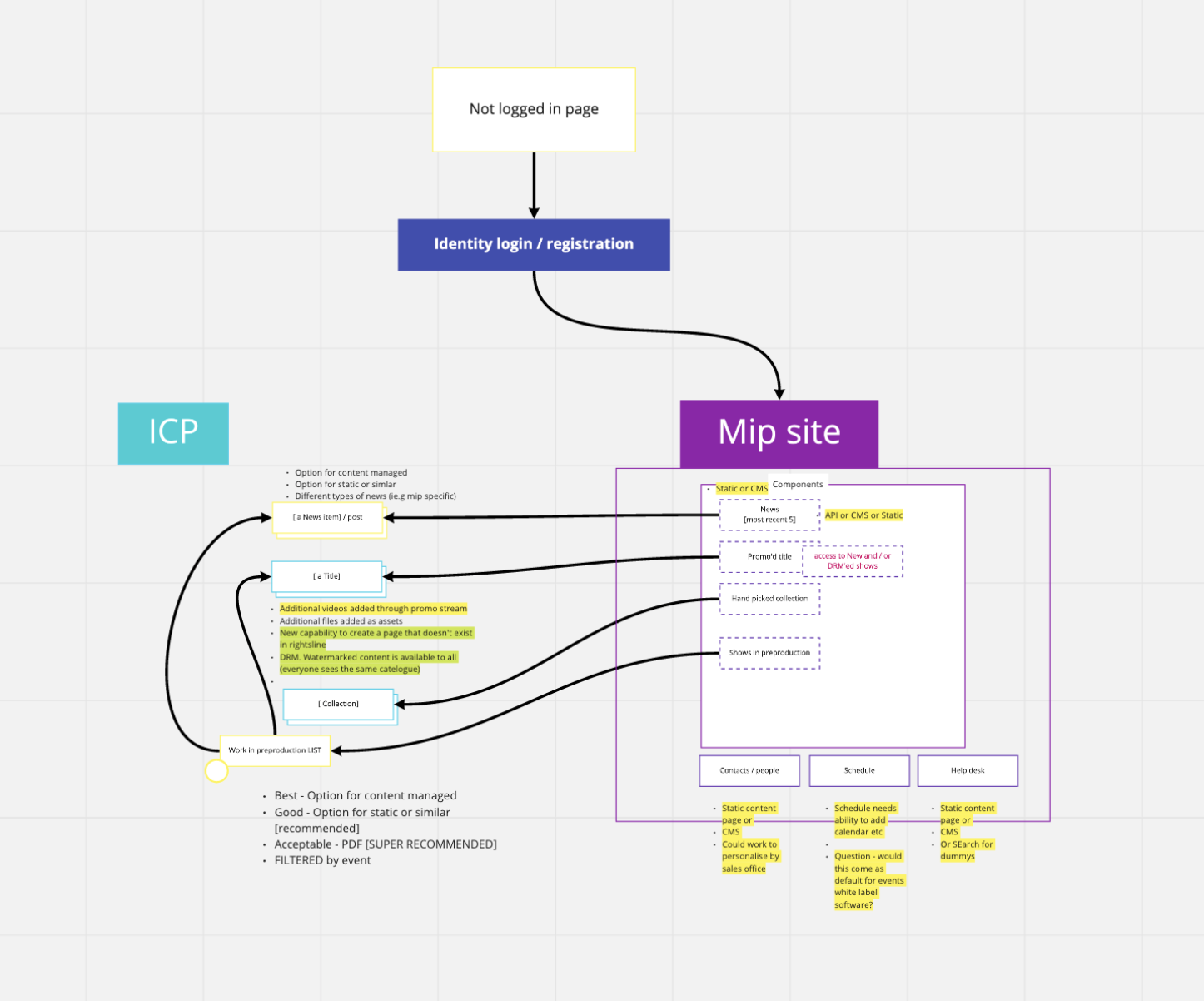
Given the short timeframes, we had to be certain that the developers could deliver the promises that our designs would make. I proposed a week of intensive sessions followed by bi weekly reviews so the dev team knew what the design team was working on and could raise any issues they saw with feasibility.
High level concept & design
We carried out collaborative high level design and modelling as a team of three (myself, the UX Senior and the Tech Lead) to ensure that the concepts made sense to each of us, and so that we could estimate the work and identify areas of risk.
“It’s very beneficial for everyone that Bryony is having frequent dialog with developers. She runs ideas past us, always tries to understand all the technical constraints and we end up coming up with some sensible compromises. This extremely helps us all and keeps us on the same page. Undoubtedly it helped to keep Showcase/Connect build on track so that websites looked great, functioned well and got delivered on time. ”
“[Bryony delivered] a relentlessly customer-focussed approach, being a beacon of collaborative working, challenging ways of working constructively and effectively!”
Partnering with stakeholders
“Bryony has been very proactive in growing her stakeholder relationships and management. This not only increases her personal profile with exec sponsors, but also the team/department overall. I’ve had several comments stating how our user-first problem solving approach, has set the standard other departments are trying to reach. Bryony played an instrumental part in leading that mentality.”
Breaking down silos
The Creative team hired an Art Director and UI Designer to work on the design, in a surprise move. I decided the best option was to partner and bring them in to the delivery team instead of pushing back. We needed all the the help we could get and by forming a team with them we were able to work together better than if we had a disconnected us-and-them relationship
Building in collaboration
I built the relationship with these new team members by setting regular catch ups to share all our work, and scheduling team collaborative session at multiple points across the week. I ensured I had one-to-one sessions with the new Creative Director. This helped us to form a close partnership, key to delivering a success. This partnership was the bedrock of our ongoing relationship with creative and marketing, a traditionally siloed area where we had no working relationships at the time.
Two Creative Directors in a respectful partnership
The marketing Creative Director and I decided that we would taken on separate responsibilities - her with art direction and myself with UX direction. We also agreed that each of us was able to direct each other’s work in the area of our specialism. We acknowledged our areas of overlap and talked through these with respectively debate that was only possible because of the trust I had already proactively developed with her.
A demo of the website
BBC Connect - MIPCOM
BBC Showcase and follow-on work
Iterating on the process
Prioritisation
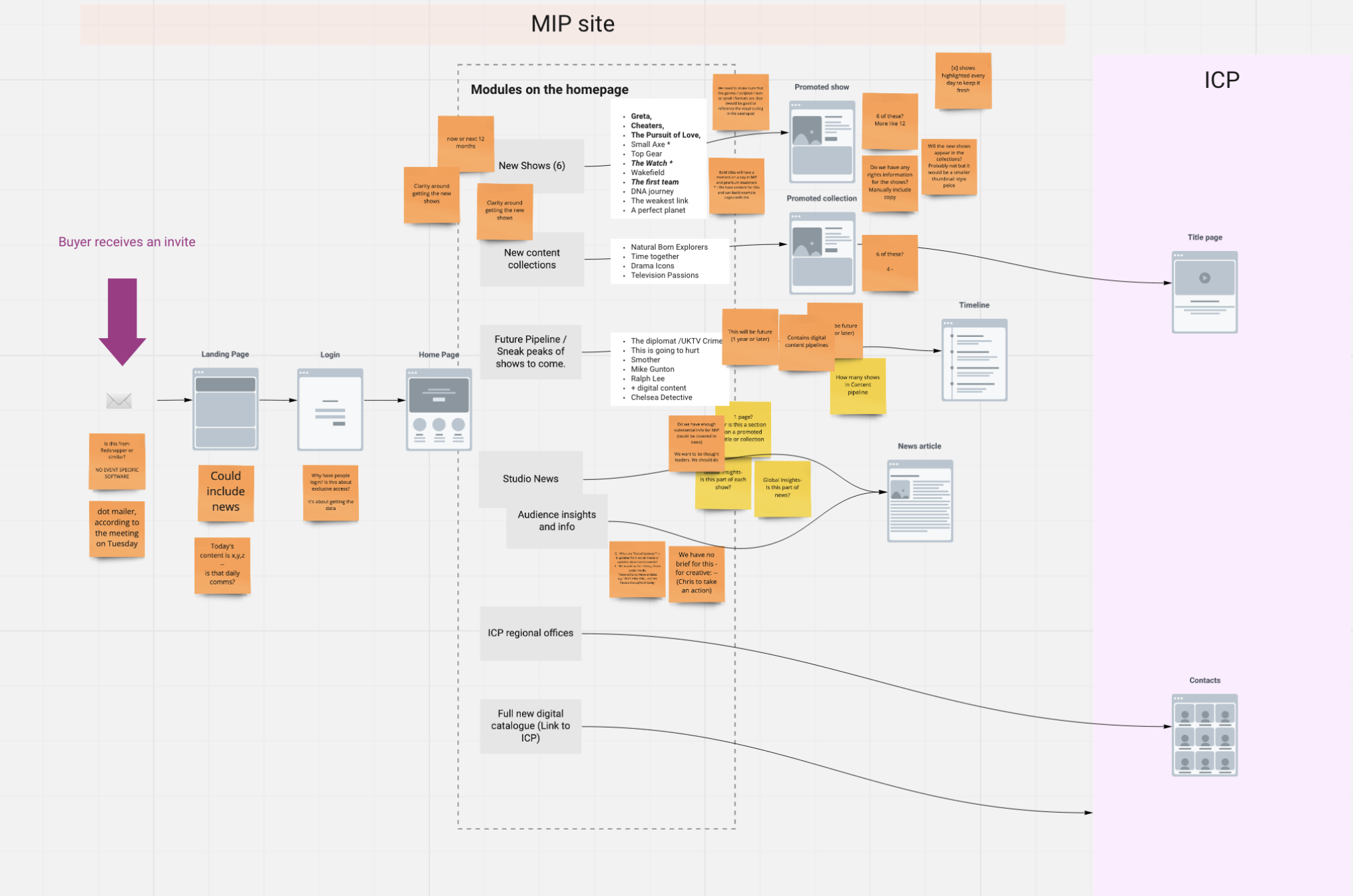
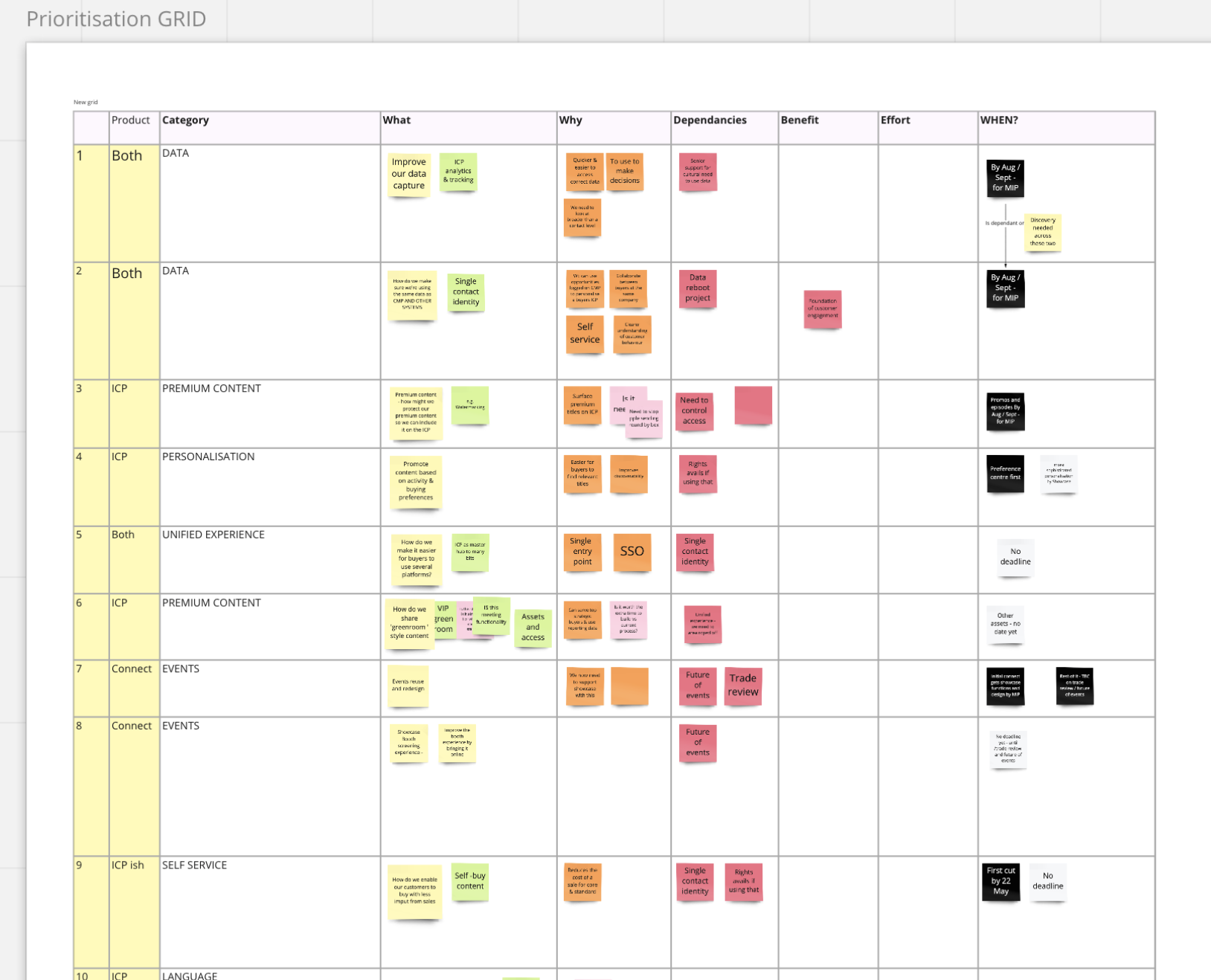
As we moved on from ‘Connect’ and MIPCOM, I could see our stakeholders had an ever-growing wishlist of capabilities, each of which was ‘priority one’. To mitigate this, I proactively designed and delivered a workshop to build a strategic prioritisation of needs, guiding our senior stakeholders through an exercise in selecting what would be important for us to focus on, in our limited time before the next event.
Stakeholder feedback and sharing - early and often
I created frequent working-group sessions to create a culture of sharing and to take the stakeholders on the journey of the project. This meant no ‘big reveal’ and no surprises as well as greater buy-in from our stakeholders. As their feedback was considered throughout the process they took ownership of and supported the work.
User research approach
We were told there would be no time for user research and usability testing so I decided to look at some alternative approaches where we would be able to ensure we were user centred. I encouraged the team to mine our existing research and explore external research sources to begin. Then, I injected usability testing into the process through some clever scheduling and arranging the team to work in parallel, ensuring the work was user centred regardless of tight timeframes. This meant that we always had research findings to work with for each iteration of the event.
Over the event iterations we were able to bring research earlier and earlier in the design cycle and eventually carry out formative research that contributed to discovery outcomes and requirements.
Presenting to the whole of BBC Studios
BBC Studios CMO was so impressed with our approach that she invited me to speak at the Company All Hands to introduce our new Showcase event website experience to the entire company, as well as creating a special exclusive presentation to our C-suite.
Feedback for my work
“being relentlessly customer focused! The business teams love working with her and her team and this isn’t always the experience business teams have working with Tech. The Showcase team in particular gave glowing feedback. I think the key is asking the right question in the right way to ensure the entire team focus on the right thing.”
“[Bryony is] a valued and trusted voice. Also her open and friendly approach is great and really encourages collaboration.”
BBC Showcase promo
A promotional video that the comms team made for customers that illustrates how the website works for Showcase
Outcomes of my involvement
Raised the profile of product team and UX with Marketing and with the exec committee
Showed we are capable of more than technical work to our Marketing teams
Broke down silos between Creative / Marketing and Product
Ensured stakeholders were taken on the journey and supportive / singing our tune
Created a strategic approach, questioning and validating the things our stakeholders wanted to do
Stayed pragmatic about what we could do in order to deliver in the tricky timeframes. Making sure we committed to iteratively improving the process, bringing in more robust testing and research, improving at each pass (two MIPCOMs and two Showcases)
Increased level of UX buy-in across the team
Delivered our first digital trade marketing event in under three months (design and development).
Increase in attendance of 44% from the first event site to the second
Iterative changes have improved engagement on the new event site with 42% improvement in pages-per-session and 34% increase in average session duration